"Phew", breathed Tetley. "Was it hot last week. I'm like Dad not liking it, and although still warm there is some relief"
"Well", replied Allen. "What we need is a mug of tea. Warms you up but then cools one down."
"Really?"queried Southey. "Or is that just an excuse for tea, being the arch tea belly and cake stuffer."
"Hark whose talking", replied Allen. "You're just like me in that respect. In the right conditions it is true that tea warms you up then cools you down, as the warmth makes you sweat more and when that evaporates your skin will be cooler. "
"Well I never", replied Southey. "Let's hope Shaun arrives soon with the flasks.
"And Grizzly and Little Eric with the cakes", chimed up Tetley.
And so as if summoned by magic they walked in minutes later.
Mugs to paw Southey assisted in filling them and passing them round, while telling them about Allen's revelation.
"Thanks for the help", said Shaun.
Little Eric opened the cake tins. Grizzly has made Chorley cakes, while my contribution is peach and apricot slice."
"Ooh super", cheered Allen, taking one of each.
After few moments, Southey said, "they are both delicious. Thank you pals as always for making them.
After mugs were refilled and we all had cakes on our plate, Grizzly turned the subject to walking. "Dad is free on Thursday and the weather forecast is good, so hopefully he will be happy to take us out."
"We need a suggestion for Allen to put to him", replied Little Eric.
"I have an idea", said Grizzly. "It was agreed to avoid overgrown paths and consider walking in Yorkshire." Then getting the iPad he opened the OS Maps app. "We can start in Langcliffe where there is a car park opposite the church. Take the track up to Lower Winskill then through the woods to Stainforth. The return is under Stainforth Scar passing the Hoffman Kiln that we have never visited before."
"Hmm", said Shaun. "I like it. And all new ground. Thanks pal."
"Right all we need is Dad's agreement", said Allen. He drained his mug then taking the iPad trotted off.
"You better fill his mug for when we gets back", said Tetley. "I know he has had four so far, but he is the arch tea belly."
"Hollow legs", laughed Shaun.
Allen was soon back and taking the brimming mug said, "thanks pal. Dad is very happy with our suggestion so the walk is on for Thursday, and of course we will be going to Elaine's afterwards."
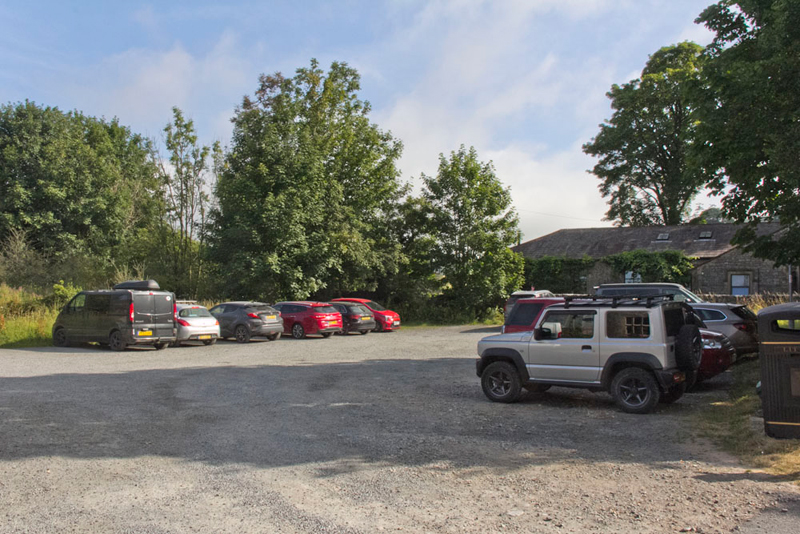
The day was warm and sunny. Dad drove us the ever so familiar route, for now ignoring the narrow lane to Feizor, to take Buck Haw Brow and drop down to Giggleswick and immediately as we crossed the bridge into Settle go left on the Horton road. Just a mile or so to the right turn to Langcliffe and the car park.
"There's an honesty box for a small payment to park", pointed Little Eric.
"Oh right", said Dad getting the money.
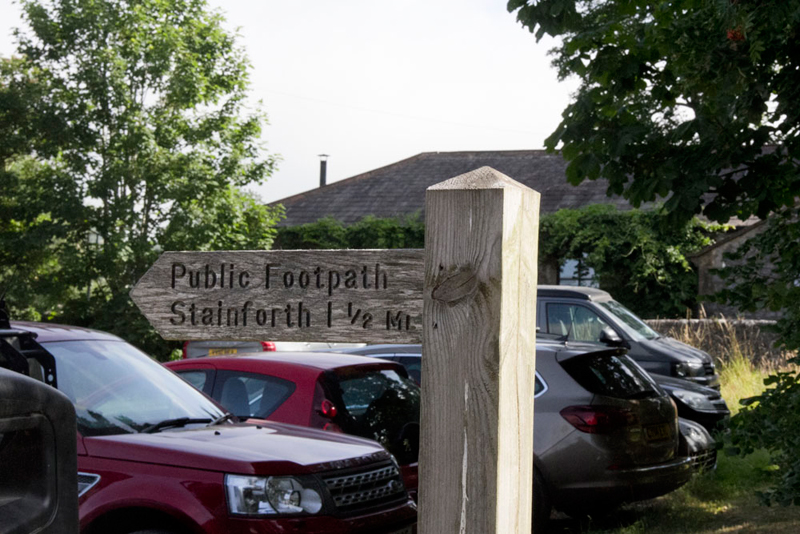
There was non problem knowing which way to go as this signpost...
...directed us along Pike Lane.
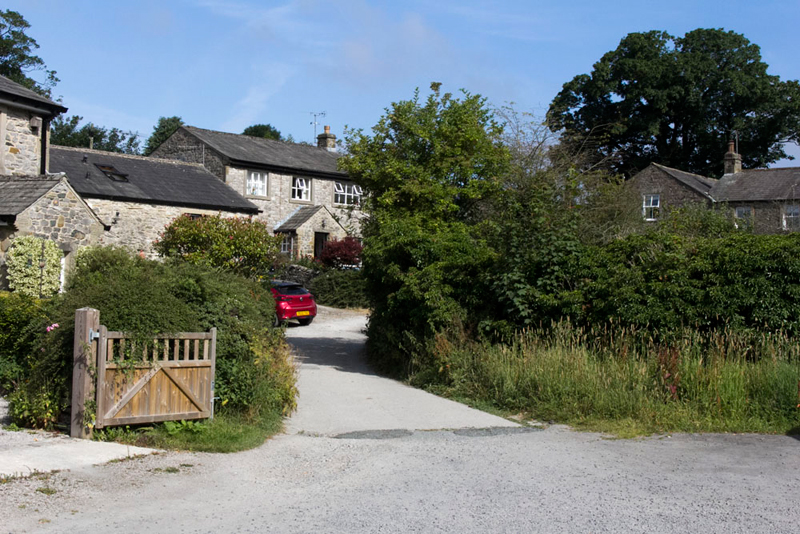
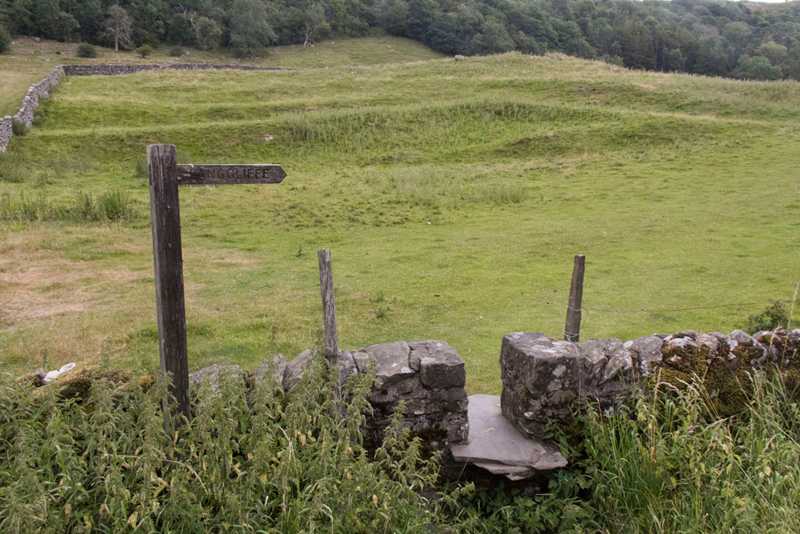
Striding out past the houses, we reached a signpost. "We keep ahead on the lane signed to Winskill. That stone step stile to the left will be where we rejoin this track on the return". advised Shaun.
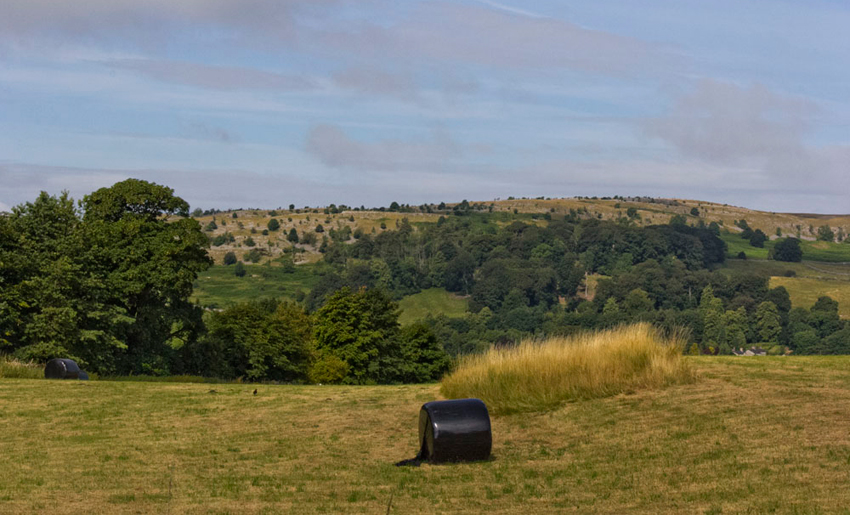
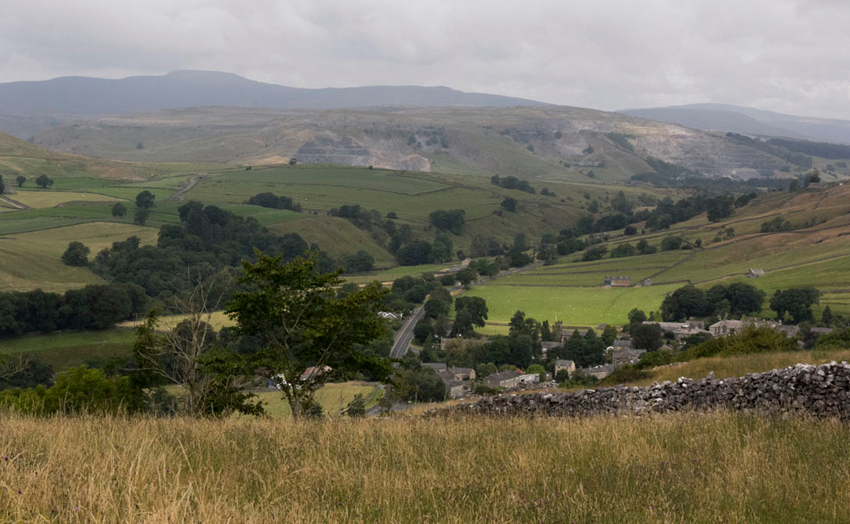
The views were extensive, Tetley remarking. "that's Giggleswick Scar away on the left. Last climbed in October 2017."
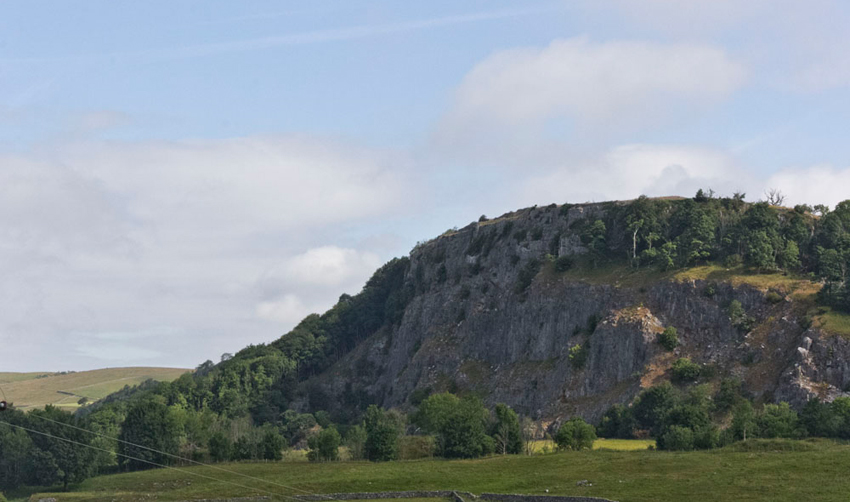
Further on looking ahead, Grizzly pointed, "that's Stainforth Scar which we will climb over. The quarry is long disused and was used extensively to extract limestone that was processed in the Hoffman Kiln, which we will visit later."
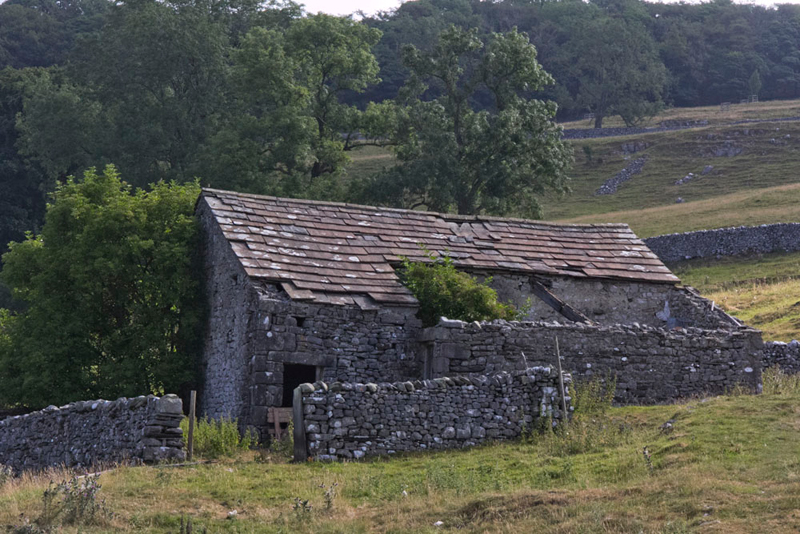
All over Yorkshire are field barns like this we saw. "Would appear to be disused and gradually falling into disrepair. Sad", commented Southey.
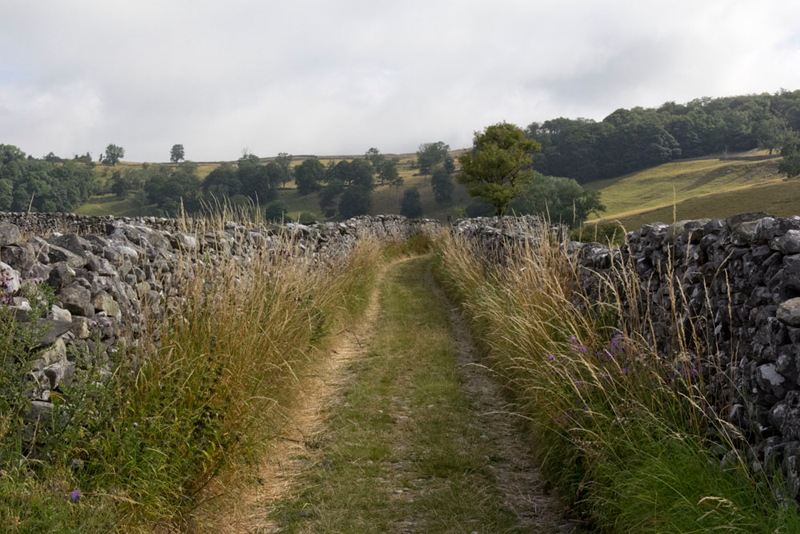
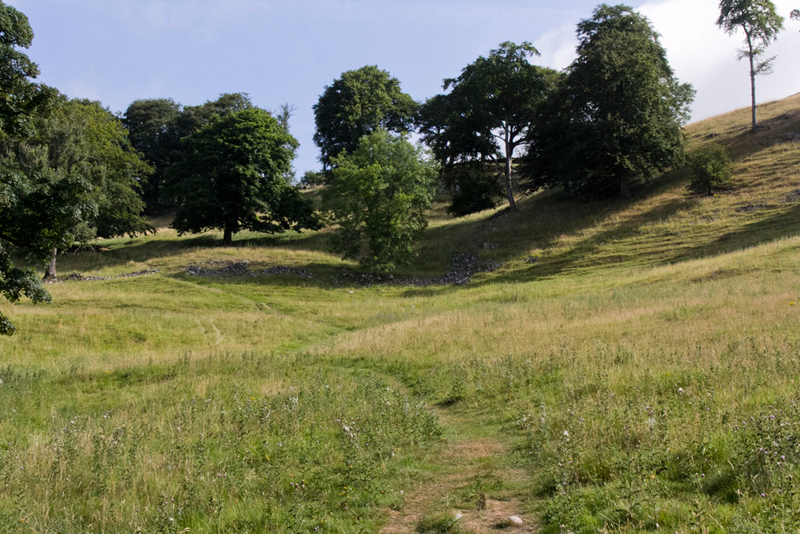
The track led to gate into a field, the clear grassy way then on by the wall to right.
"At seat", called out Allen. "Picture time."
All settled once again Dad strode on the path leading through an open gateway to begin the ascent of Stainforth Scar.
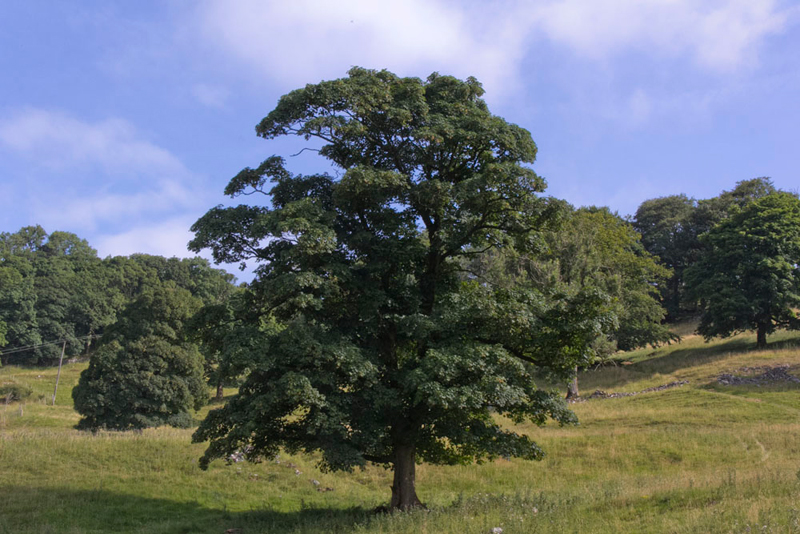
"That tree over there will be a nice picture?", suggested Little Eric.
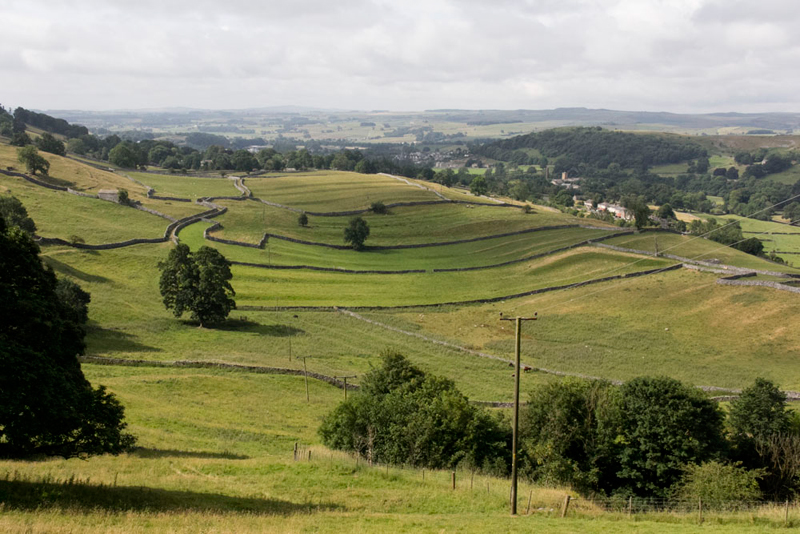
As we climbed on we looked back over the patchwork of fields with their stone walls and indeed the walled track we had walked from Langcliffe.
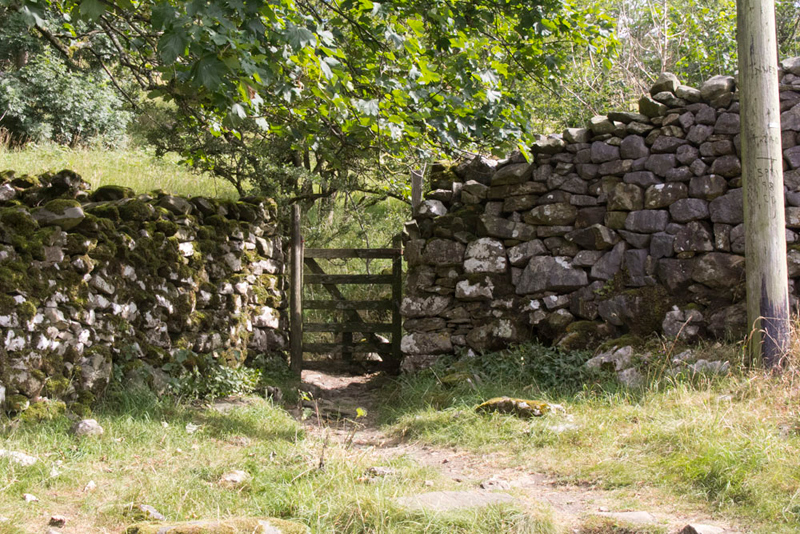
The path led to a gate at a wall corner.
The climb steepened here the path leading on between walls.
Shaun said, "we go through that gate on left and cross the field to a stile in to a track.
There he said, "if we were to go right it would take us via Upper Winskill to Catrigg Force. "Our way though is left to Lower Winskill."
Southey pointed, "that hill in the distance to the right of the building is Smearsett Scar."
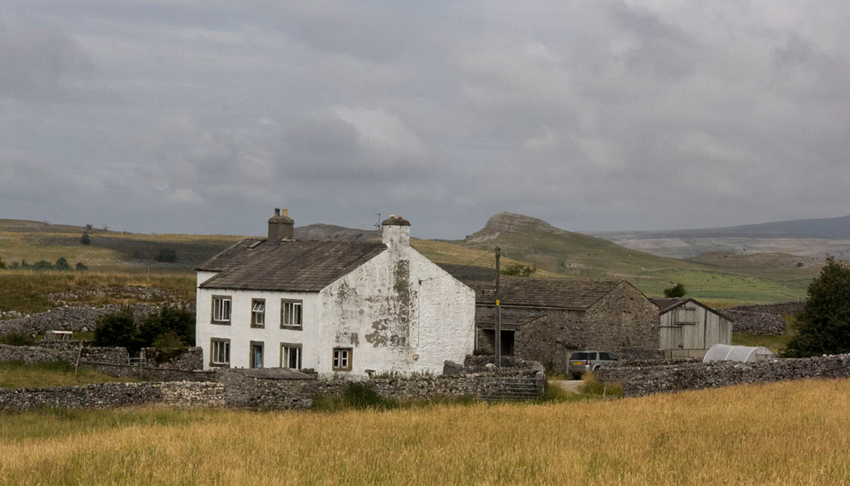
Grizzly added, "The farmhouse dates from 1675.
The track led through buildings and as directed to a gate and then over the facing ladderstile, to climb the few feet to the ridge. A signpost told us the path was right, this leading to a gap stile in the wall, with Stainforth in view below and the unmistakable shape of Ingleborough dark and brooding in the distance.
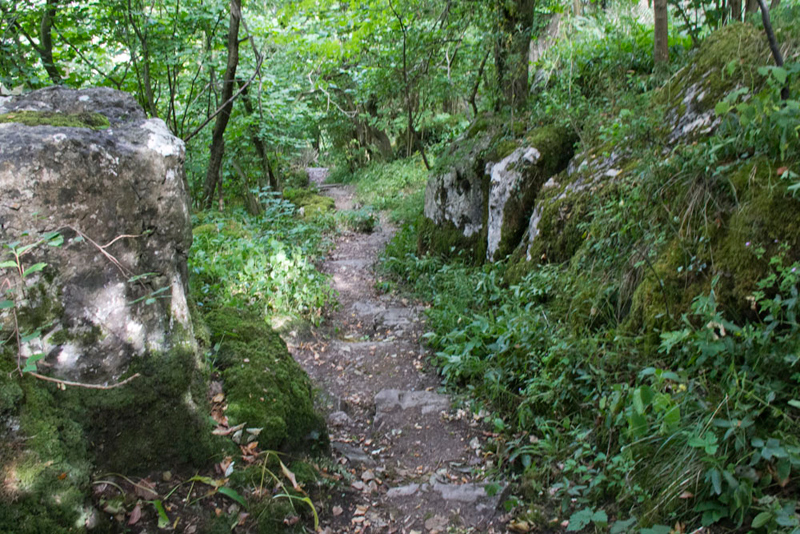
Onwards a ladderstile took us in woodland. Here the descent was quite steep and a bit awkward down uneven stone steps that we were later to be told by Auntie Sue who lives in Stainforth that they are known as the Cat Steps.
"Be careful Dad. Take your time", implored Little Eric.
"I will."
"Think going up these is easier", mused Tetley.
"Aye lad."
Eventually we exited the wood and a clear path led into the village.
At the car park, Allen pointed, "that end house is where Auntie Sue lives."
"Where now?", asked Little Eric.
Onto the main road and go left", replied Southey.
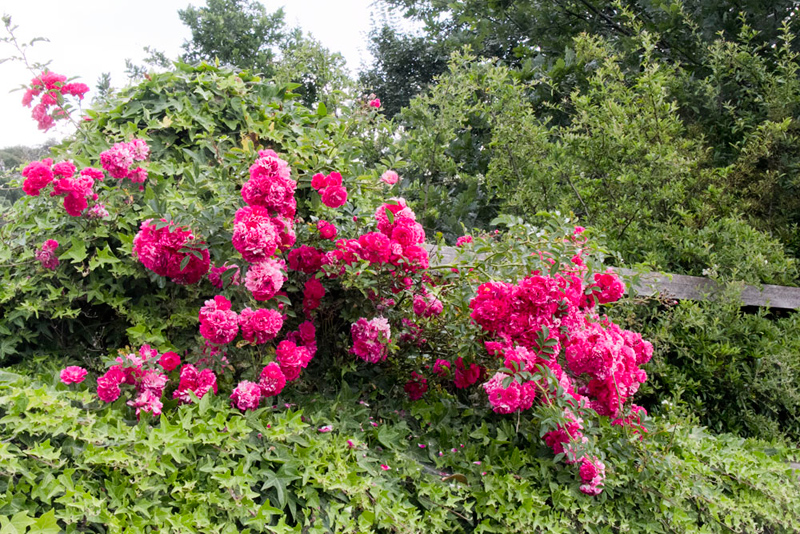
As we did Allen pointed. "look at those colourful roses. Take a picture please Dad."
A short way on, Shaun called out, "over that stile to the left for our return route."
The clear grassy path led across fields by the stiled way to come to the paths at the defunct quarry and remains.
"I'm going to keep on the route signed to Langcliffe", stated Dad.
This brought is to the remains of the amazing Hoffman Kiln.
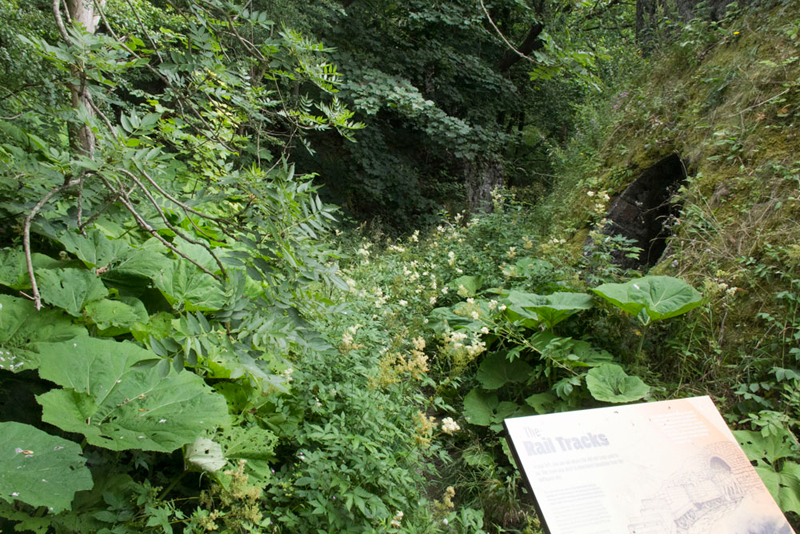
The path by this would once have been a railway line that then ran round the end this being the overgrown route.
This was what the information board told us, Grizzly obliging by reading it out. "The track was used to move burnt limestone from the Hoffman Kiln. The track was part of the Stainforth Sidings. The Hoffman Kiln burned continuously, so it needed an efficient supply of limestone and coal. There was a tunnel at the back of the kiln that led to the quarry where they quarried the limestone. After the were unloaded the empty carts were pulled back to the quarry through this tunnel.
Above us are the remains of a reservoir which supplied water to a water-balance hoist at the far end of the kiln. The hoist lifted coal to the top of the kiln, where it was fed into the firing chambers.
A former worker named Harry Worthington said, 'For years heavy wagons were always pulled by two horses. And the latter end, they got a little loco that did away with horses, which was much easier."
We now walked along by the kiln with it various openings that would have been individual firing chambers the internal divides being no longer there.
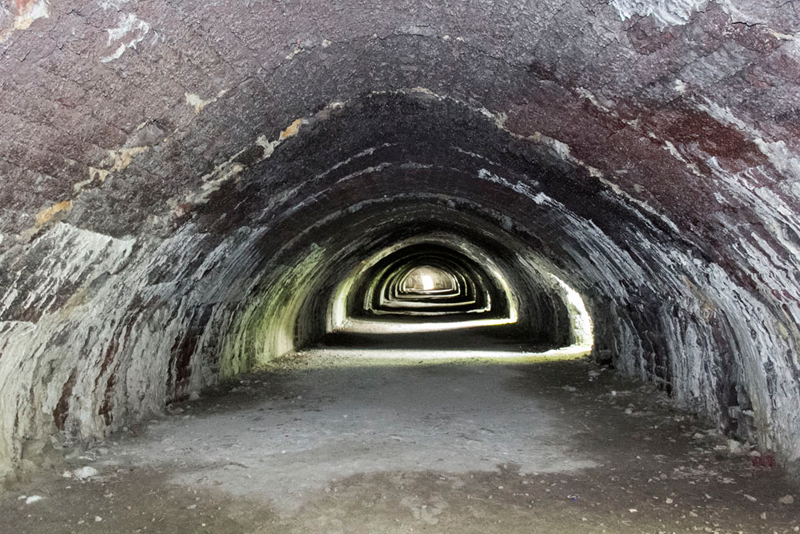
Going inside it was very dark. "Can you take a picture Dad?", asked Shaun.
Getting the camera out, Dad promptly walked outside to Shaun's bemusement. "I need to adjust the settings, but cannot see inside to do this", he explained.
Here is the result.
This is just one side. At the end we could see that it goes round in a circle.
Again Grizzly obliged by reading the information panel. "We are standing in one of the firing chambers where the limestone was fired, The tunnel runs continuously around the central spine of the smoke chamber.
Firebricks
line the kiln to withstand intense head. Behind these bricks is a rubble core of limestone to retain heat. Over time, rain has dissolved lime from the core, forming stalactites.
The tunnel is split into 22 sections called firing chambers. When a chamber was filled with limestone, it was sealed up with steel sheets, bricks and clay to ensure everything burned evenly. Above us are chutes where coal was dropped down to keep the fires burning.
A flue system controlled the heat and speed of the burn. Narrow passages under the stacked limestone allowed hot air to pass from one chamber to the next, which dried the limestone. Waste heat and gases were drawn out through flue holes at floor level into the central smoke chamber and then up the chimney. Iron dampeners regulated the air flow
As one chamber burned, the heat generated warmed up the next two or three. Behind this burning zone, a further couple of chambers were left to cool down before the lime was shovelled out and loaded onto railway wagons in the adjacent siding. Around 90 people were employes at the quarry to keep the kiln running continuously.
Working inside the kiln was very hot. A worker named Fred Bullock said, 'that was the worst job of the lot was lime-drawing, particularly in hot weather. Ooh I've seen them come out fair blistering...They used to drink a lot of beer did them chaps as well'"
"Phew", said Tetley. "What hard and dangerous work. No health and safety either."
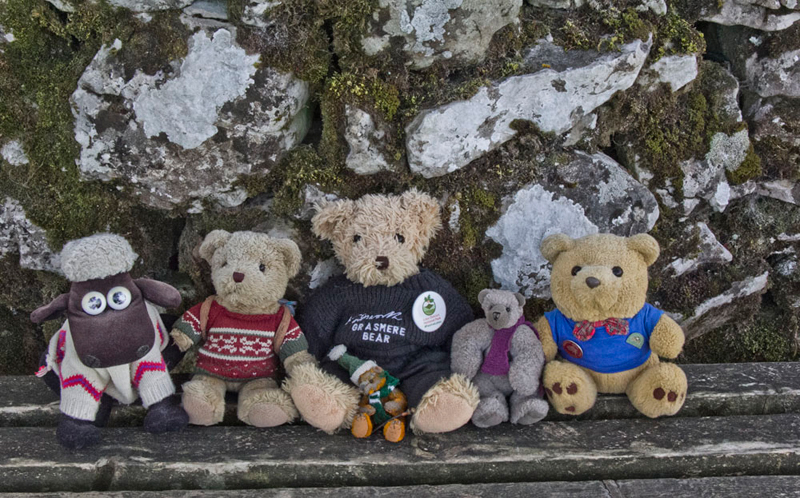
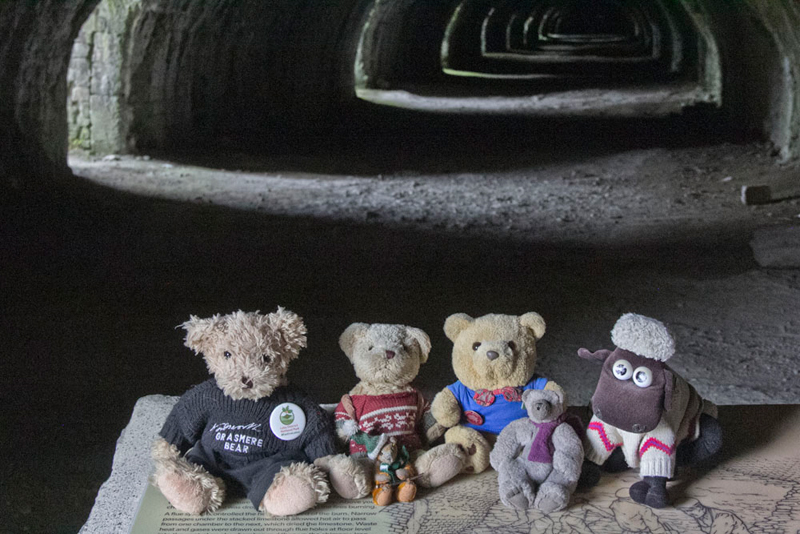
"We aught to have our picture taken in here", said Allen. "It is so great to have finally visited here. Uncle Leo and Auntie Pat had often mentioned it."
We exited at a small industrial estate that was the site of the sidings to the Settle Carlisle where the limestone would have been transported.
Following the signed route by railway, the path then drifted away across fields and via stiles to come to large stone step stile onto outwards track and so to Langcliffe.
"Let's tour the village", suggested Little Eric.
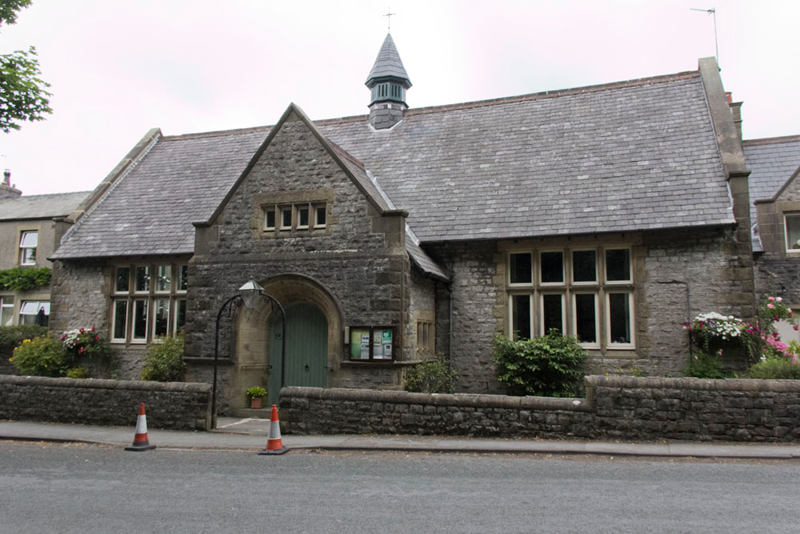
First the Institute.
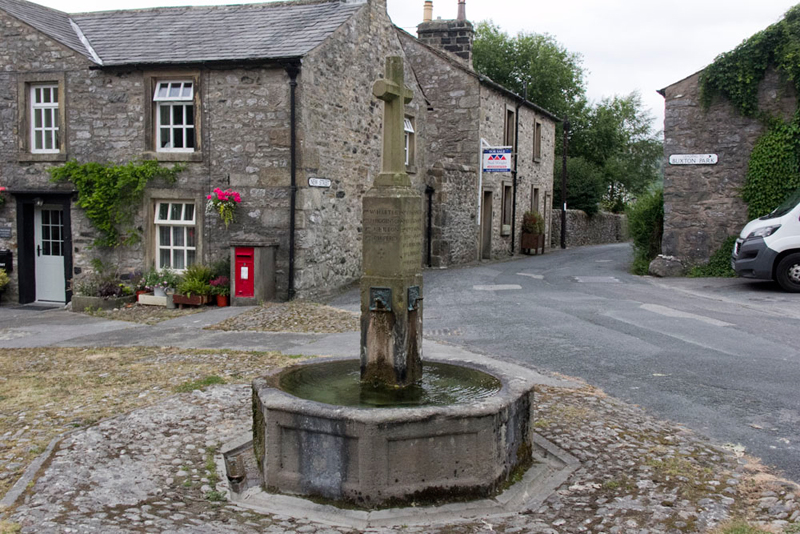
Then the war memorial. Grizzly told us, "it stands as a combined drinking fountain and cross. Unveiled in 17th July 1920, it commemorates 15 local men lost in the First World War and four from the Second World War."
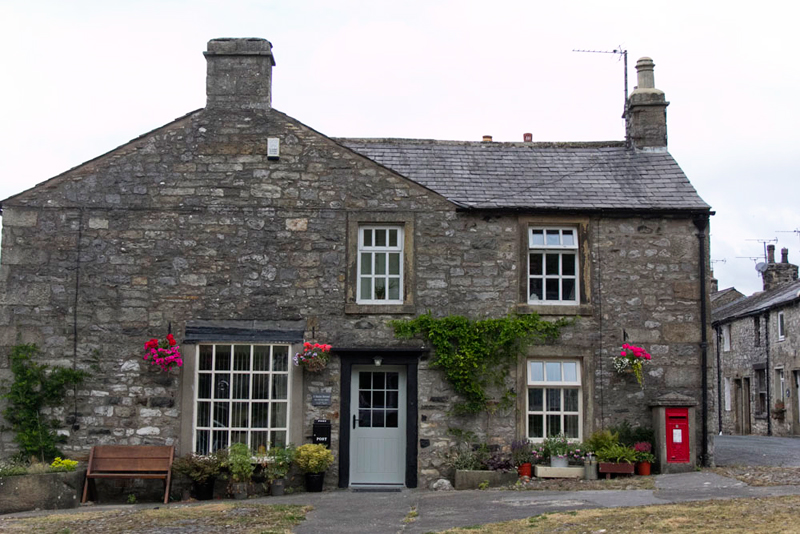
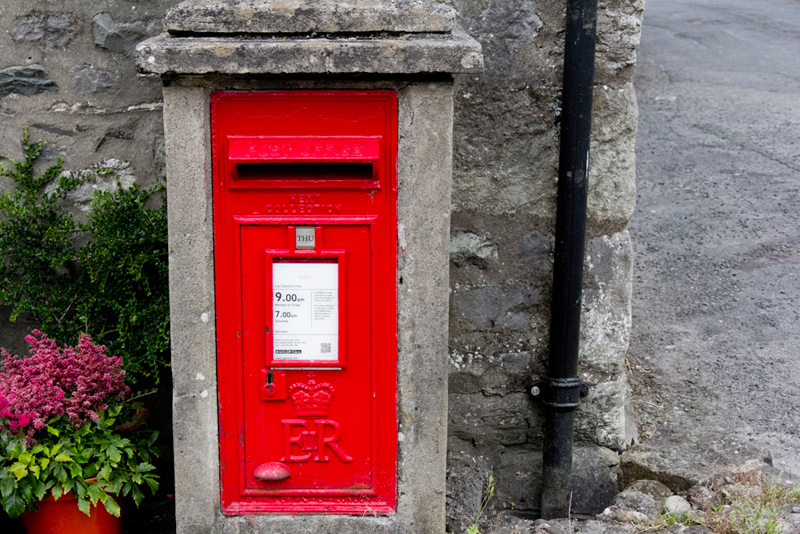
Behind is the building that was once the post office.
Now with just the post box. "Another for my collection", cheered Little Eric.
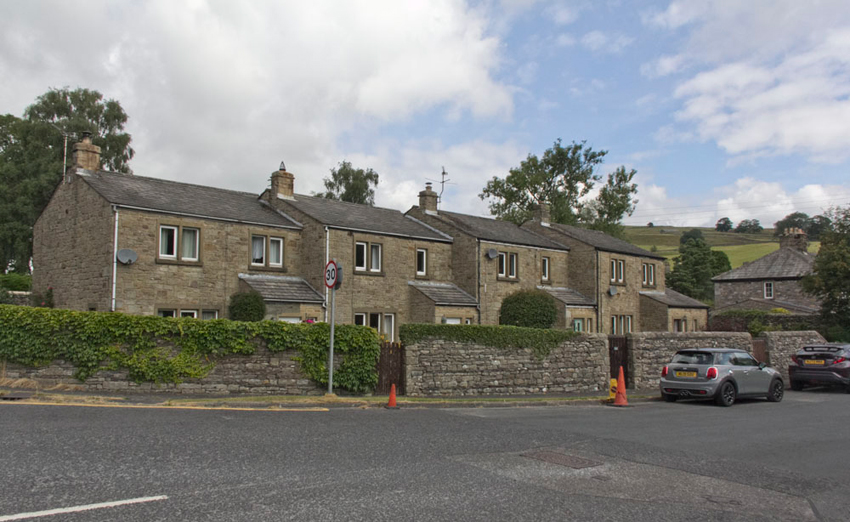
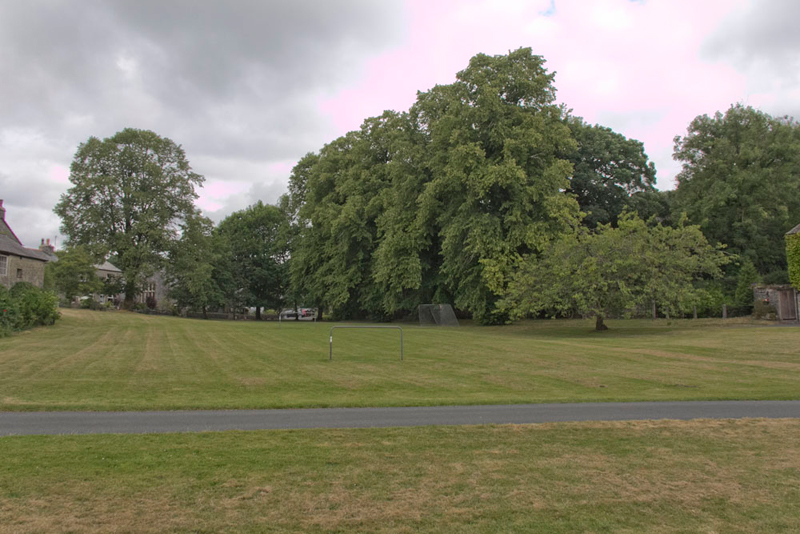
Opposite is the extensive village green, lined with cottages on one side.
As we stood looking at this Tetley remarked, "this village is where Auntie Elaine was born and Auntie Marian too."
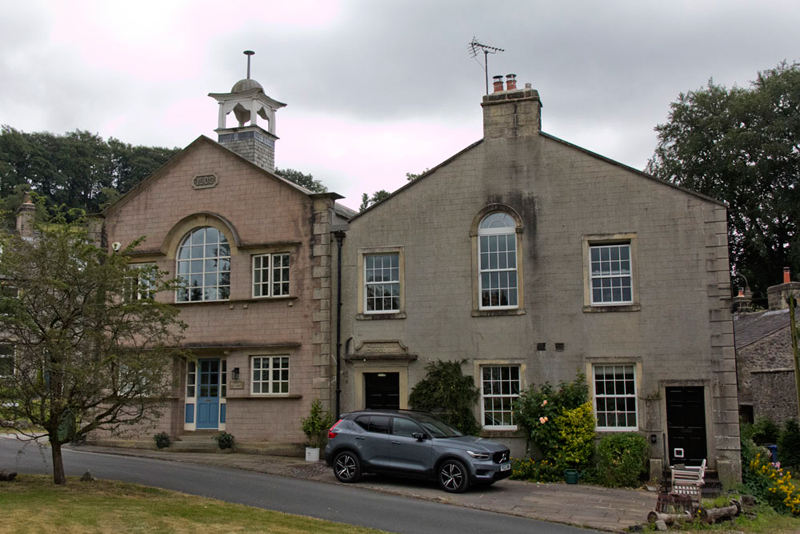
Behind stands the building that was once the Methodist Chapel. Grizzly said, "of the two buildings the left was the chapel, while that to the right was the Sunday School. As we can see this has a date stone reading 'Wesleyan School 1851'."
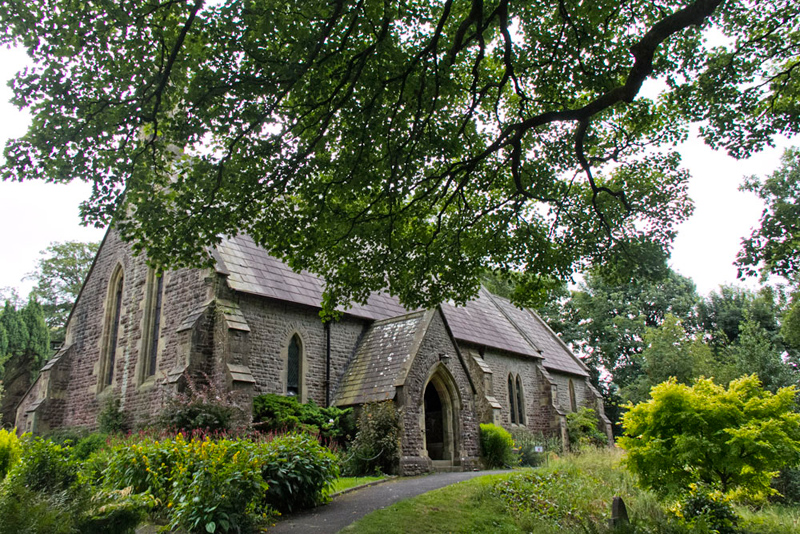
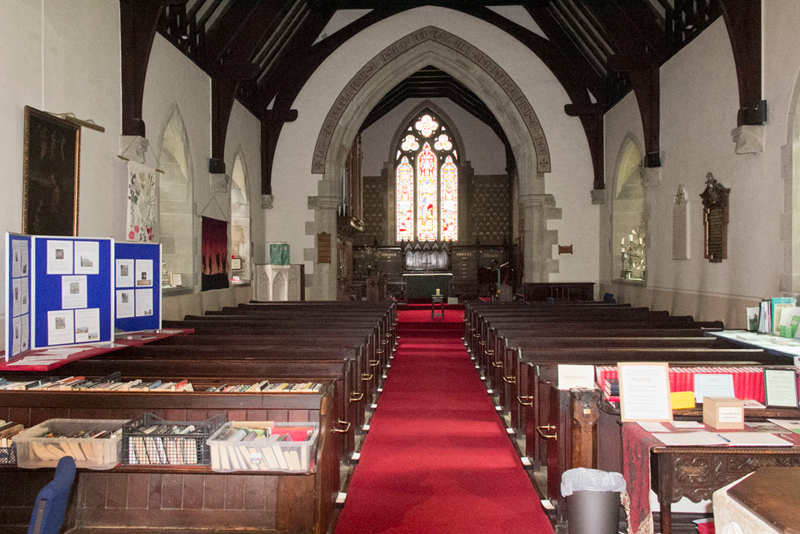
Finally to complete our tour we visited the church of St John the Evangelist.
Grizzly enlightened us once again. "The church designed by James Mallinson and Thomas Healey was completed in 1851, and was grade II listed in 1998. Built in stone with a slate roof. It consists of a south porch and nave...
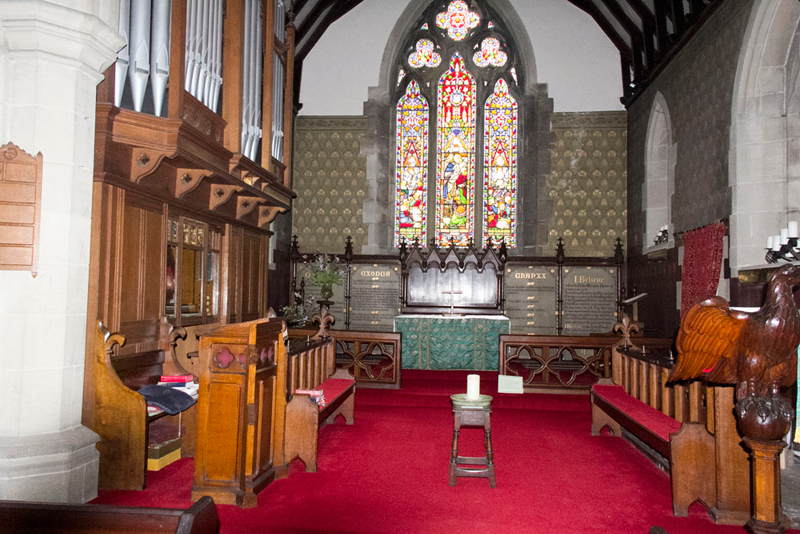
...and chancel.
"As we can see the timbers of the roof are visible, and the wooden furnishings including the altar rail may be original.
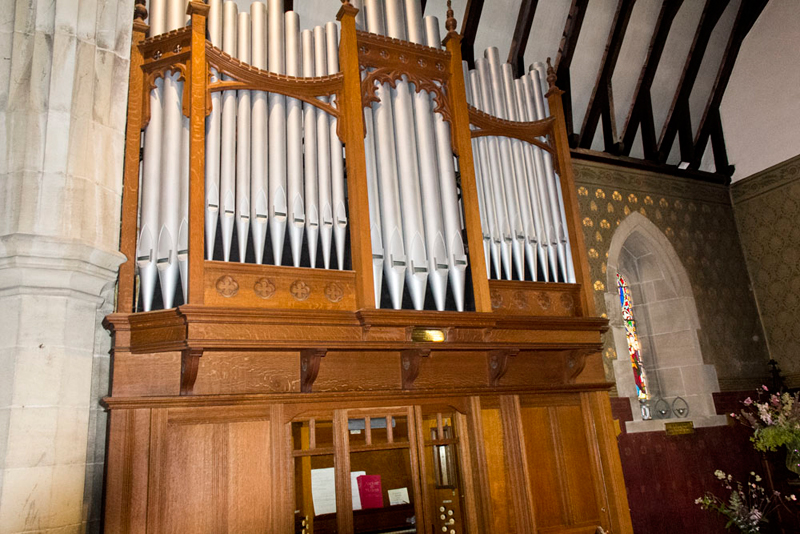
There is the organ, but there is no information about it."
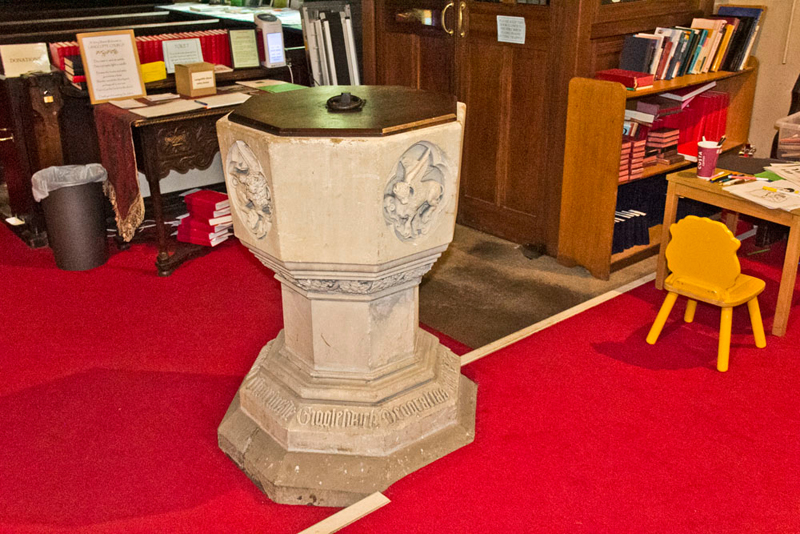
And finally before leaving Dad kindly took this picture of the font, that has interesting carvings and lettering round the base.
"Thank you for the tour Dad and Grizzly for educating us", said Little Eric.
"So to Elaine's now", said Tetley.
"For sure, and of course you will come in too."
Dad had a nice meal. Steak and ale pie with mash and vegetables. Tea and then apple crumble and custard. George was there and Dad sat with him and they had a lovely chat.
Sophie was on serving and so nice to see her. She told us that her twin Scarlett had got job on a cruise ship for 8 months, travelling the Med, Caribbean etc. We are all so pleased for her. She is doing her dream job and seeing the world. Wonderful.
As we finally headed home, Tetley said, "that was a grand day out. Thank you Dad."
"You're welcome lads. it had indeed been and good and interesting day."